The Beat Generation
The Beat Generation or Beat movement consisted of a group of artists, poets and novelists who provided a radical counterweight to the conformist, consumer driven society of post World War II America. In the mid-20th century, a group of American writers and thinkers emerged that would change the face of literature and culture.
Through their work and their lives, the Beats carved a space for freedom of expression, honest self-exploration, and restless questioning. Whether seen as writers, cultural icons, or philosophers, they remain a defining force in contemporary art and thought, reminding us that our true fulfillment in life might be found not in conformity, but in exploration.
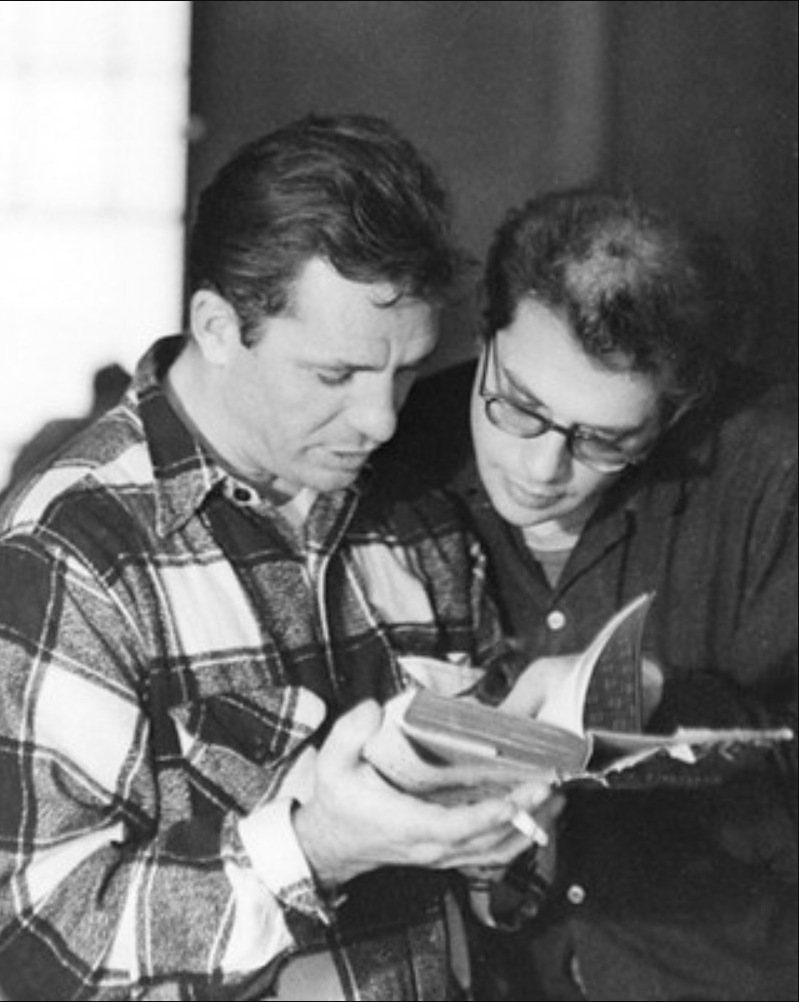
American beat writers Jack Kerouac (left) and Allen Ginsberg read a book together, 1959. Kerouac holds a cigarette in one hand. (Photo by John Cohen/Getty Images)
The Beat Generation literary movement began in the 1940s and entered public consciousness in the 1950s, centered around the social and creative circles of writers such as Jack Kerouac, Allen Ginsberg, and William Burroughs. Later, creatives such as Lawrence Ferlinghetti, Gregory Corso, and Gary Snyder joined this group. Although it was rooted in writing, the Beat movement quickly spilled into broader cultural and social factors. The Beats questioned the meaning of success, the value of material comfort, etc. Their work felt as much a philosophy of life as a form of poetry with their influence extending beyond books into manifestations of freedom and art.
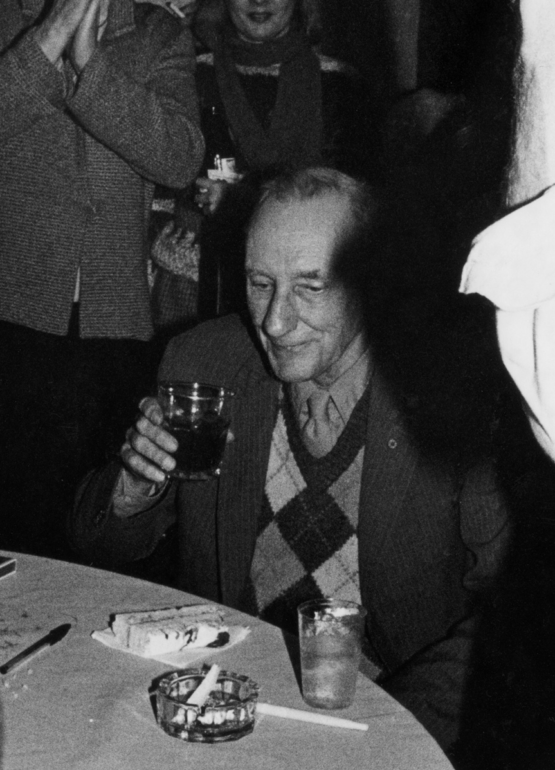
William Burroughs enjoying cake and alcohol at his 70th birthday, 2008. (Photo by Chuck Patch)
The term “Beat Generation” was first coined by Jack Kerouac in 1948 during a conversation with his fellow writer John Clellon Holmes. The word “beat” is slang for being “beat down” referring to a feeling of exhaustion with mainstream society. Over time, the term expanded to include spiritual depth and a mission for a more meaningful way of life.
The movement’s roots trace back to the late 1940s in Greenwich Village, New York. This was where figures like Kerouac and Ginsberg first met as students from Columbia University. From there, the network of artists spread to North Beach, San Francisco and Venice West, Los Angeles.
The Beats emphasized spontaneity, rebellion, spirituality, and authenticity. Writers experimented with free verse to capture the truth of experiences. In a time that idealized suburban normalcy, the Beats challenged expectations surrounding careers, sexuality, and consumption. Influences such as Buddhism, jazz culture, and alternative philosophies, encouraged seeking meaning beyond material success.
While deeply rooted in creation and the arts, the Beat movement influenced culture and ultimately lifestyle. By the 1960s, many of the Beats’ ideas about nonconformity had fed into personal freedom, allowing young people to embrace “bohemian lifestyles.” Though the original Beat movement faded by the early 1960s, its influence endured. The movement helped pave the way for later experimental writers and performers who questioned authority and celebrated individualism. Its legacy persists in contemporary art, sharing what it means to live creatively and authentically.
The Beats emphasized spontaneity, rebellion, spirituality, and authenticity. Writers experimented with free verse to capture the truth of experiences. In a time that idealized suburban normalcy, the Beats challenged expectations surrounding careers, sexuality, and consumption. Influences such as Buddhism, jazz culture, and alternative philosophies, encouraged seeking meaning beyond material success.
While deeply rooted in creation and the arts, the Beat movement influenced culture and ultimately lifestyle. By the 1960s, many of the Beats’ ideas about nonconformity had fed into personal freedom, allowing young people to embrace “bohemian lifestyles.” Though the original Beat movement faded by the early 1960s, its influence endured. The movement helped pave the way for later experimental writers and performers who questioned authority and celebrated individualism. Its legacy persists in contemporary art, sharing what it means to live creatively and authentically.
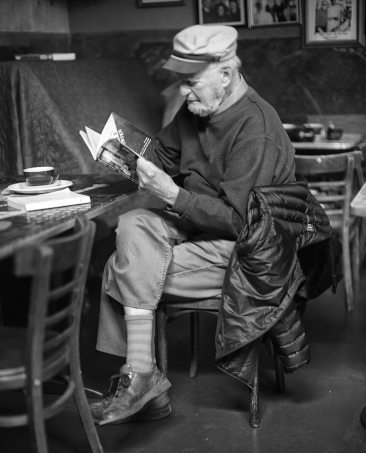
Lawrence Ferlinghetti at Caffe Trieste, 2012. (Photo by Christopher Michel)